Upcoming Webinars
A Full Year of Webinar Training for One Low Price!
 Now you can participate in EVERY webinar we produce in the coming year at a fraction of the
per-event price – and your satisfaction is unconditionally guaranteed.
Click here
now for details, and to sign up for your All-Access Training Pass from Business Management Daily. Already a member?
Log in here.
Marijuana Policy & Best Practices: Handling Employee Medical & Recreational Use
November 4, 2026 1:00pm • Understand how rescheduling does—and does not—impact your business. Comply with federal & state laws.
• Manage marijuana use. Effectively handle employee use at home, on the job and off-duty.
• Develop compliant policies. Create and enforce clear, legally sound marijuana policies.
• Navigate federal and state laws. Address conflicts between medical and recreational-use regulations.
• Accommodate medical marijuana. Consider accommodating medical use to prevent legal risks.
• Rethink drug testing. Evaluate testing practices to balance safety with retention and hiring needs.
• Address zero-tolerance policies. Weigh strict policies against evolving legal and workplace norms.
• Ensure compliance. Tackle challenges related to ADA, FMLA, OSHA, DOT and workers’ comp.
• Respond to impairment. Identify and manage suspected on-the-job impairment effectively. Learn MoreInclement Weather Policies: Best Practices for Employers
November 5, 2026 1:00pm • The FLSA and inclement weather. Learn when hourly workers must be paid if the worksite remains open—and when they don’t have to be paid.
• Exempt workers. The rules are different for exempt workers. Who must be paid if they perform some work during the week the storm hits?
• What about PTO? We show you when workers can draw on PTO for pay—and when they can’t.
• Emergency planning. Learn when telework is the solution to inclement weather—and when it’s not.
• Design a weather protocol. Don’t leave closing or staying open to chance. Which triggers should automatically activate closing or early departure?
• USERRA. Learn all about this newly revised federal law that may leave you short-handed, and what to do about it. Learn MoreGossip, Rumors & Workplace Busybodies: How to Promote Positive Co-worker Communication
November 6, 2026 1:00pm • Identify negative chatter and encourage positive behavior. Recognize 6 signs that your office has a problem with gossip and rumors before they escalate, and understand how managers may inadvertently encourage negative behaviors, with actionable steps to stop it.
• Handle difficult personalities effectively. Gain best practices for dealing with tattletales, drama queens, whiners, and bullies, ensuring they don’t derail team morale. Discover how to turn gossip and the grapevine to your advantage.
• Avoid sensitive topics and manage rumor peaks. Learn the 7 topics everyone should avoid at the office to maintain a respectful and professional environment. Find out when the rumor mill will always heat up, with effective strategies to mitigate its impact.
• Focus on behavior, not attitude. Shift your focus from discussing “attitude” to addressing specific, actionable behaviors that can be corrected. Utilize the “team turnaround” process to involve your group in solving the problem collectively.
• Leverage positive reinforcement and conduct effective coaching. Harness the power of high expectations, sincere praise, and clear consequences to foster a positive work culture. Master 10 steps for conducting an exceptional coaching session that drives real change.
• Address denial and blame, and take next steps. Implement techniques to use when employees blame others or deny responsibility, ensuring accountability. Learn what to do when coaching doesn’t work and how to enforce accountability. Learn MorePayroll Compliance: Preparing for Year-End and 2027
November 10, 2026 1:00pm • What’s new for W-2 reporting. Understand the OBBBA’s changes to W-2 reporting and how to adjust your processes.
• Need more time? The IRS now offers a new form to extend the deadline for distributing forms to employees and contractors.
• E-filing requirements. Understand the IRS’ rules for filing original and corrected returns.
• IRIS explained. FIRE is retiring at the end of December. Learn about the IRS’s 1099 e-filing solution, IRIS.
• 1099 best practices. Follow these 8 steps to ensure 1099 compliance and avoid IRS penalties.
• Safe harbor for minor errors. Take 6 crucial steps to activate this protection for de minimis math mistakes.
• Mandatory health benefits reporting. Ensure compliance to avoid dual penalties from the IRS (one of which cannot be waived).
• Cross-department collaboration. Work seamlessly with other teams to meet the new e-filing rules and avoid compliance gaps.
• Data security. Learn 10 effective ways to safeguard employees’ personal information on year-end forms.
• Looking ahead to 2026. Prepare for upcoming IRS changes and stay ahead of the curve.
• Remote employee reporting. Discover a simple strategy to get timely responses from remote employees on their work locations. Learn MoreCoaching Skills for Managers & Supervisors
November 18, 2026 1:00pm • Why you need a “performance management strategy” for each employee
• Quick Quiz: What are your personal barriers to coaching?
• How “developmental” coaching differs from “remedial” coaching
• Seven reasons why employees have performance issues
• How managers inadvertently make performance problems worse
• "Management presence": The key ingredient for effective coaching
• Recognizing the five most common coaching roadblocks
• Why "wimpy managers" aren't really managers at all
• Five coaching challenges: Debaters, Power Grabbers, Clingers, Androids, & Divas
• The 10-step roadmap for an effective coaching discussion
• How to engage your employees in the coaching process
• Managing diversions: keeping the coaching conversation on track
• The secret to coaching success: recognizing that it’s never “one & done”
• How shifting your leadership style can help to resolve performance problems
• From coaching to corrective action: When termination becomes an option Learn MoreManaging Your Aging Workforce
November 19, 2026 1:00pm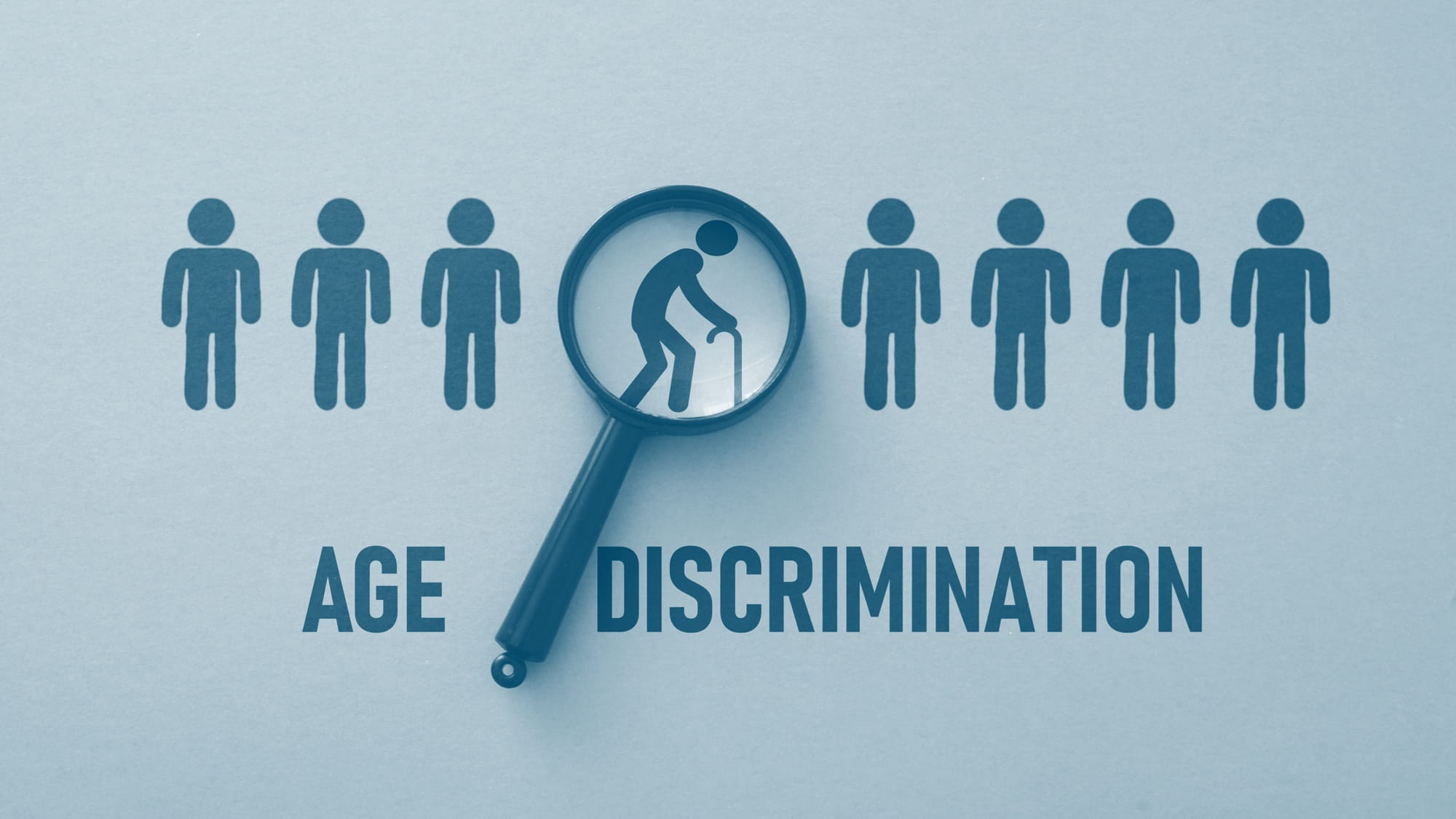 • Generational conflict and age discrimination. Learn all about managing a multi-generational workforce for harmony, productivity and fairness while following the law.
• The Age Discrimination in Employment Act (ADEA). The law isn’t kind to employers that discriminate, segregate or allow harassment based on age. Supervisor training is key.
• Layoffs, restructurings and terminations. Learn all about what you can and cannot do to encourage older workers to step aside during major workforce reductions.
• The Older Worker Benefits Protection Act (OWBPA). Running afoul of this federal benefits protection law can cost the company millions. Learn how to comply.
• The Americans with Disabilities Act (ADA). As we age, we develop disabilities. Learn about the most common age-related ones and how to accommodate them.
• Preventing ageism and harassment. Learn how to prevent and stop ageist harassment that crosses the line between good-natured ribbing and harassment based on age.
• Access to training. Discover why it’s critical you don’t assume older workers don’t need or don’t deserve training or promotions despite approaching their retirement years. Learn MoreTransforming Performance Reviews into Growth Conversations
December 1, 2026 1:00pm • Give constructive feedback to employees that will highlight their strengths and areas that need improvement.
• Set new goals and evaluate past ones while outlining and checking in on measurable benchmarks along the way.
• Identify areas where improvement is needed and develop a plan for correction.
• Promote open and effective communication between managers and employees.
• Develop a written record in cases of employee performance issues that need correction.
• Use performance reviews to identify employees with high potential for leadership or advancement in the organization.
• Shift responsibility for improvement away from the organization and back to the employee (where it rightfully belongs!).
• Give employees the ability to take ownership of their performance improvement.
• Avoid the common mistakes employers make with their discipline policies and follow-through.
• Use discipline documents as a means to minimize or eliminate performance, behavior and attendance problems. Learn More